
Compare materials, speed, connectivity, and application fit across industrial FDM, creative desktop, and biomedical 3D printers.
Importers evaluating 3D printers should look beyond headline speed and price. The right purchasing decision depends on target users, compatible materials, workflow requirements, and after-sales expectations. A diversified 3D printer selection can serve industrial prototyping, creative production, education, and specialized research without treating every buyer as the same.
Start with the intended printing environment
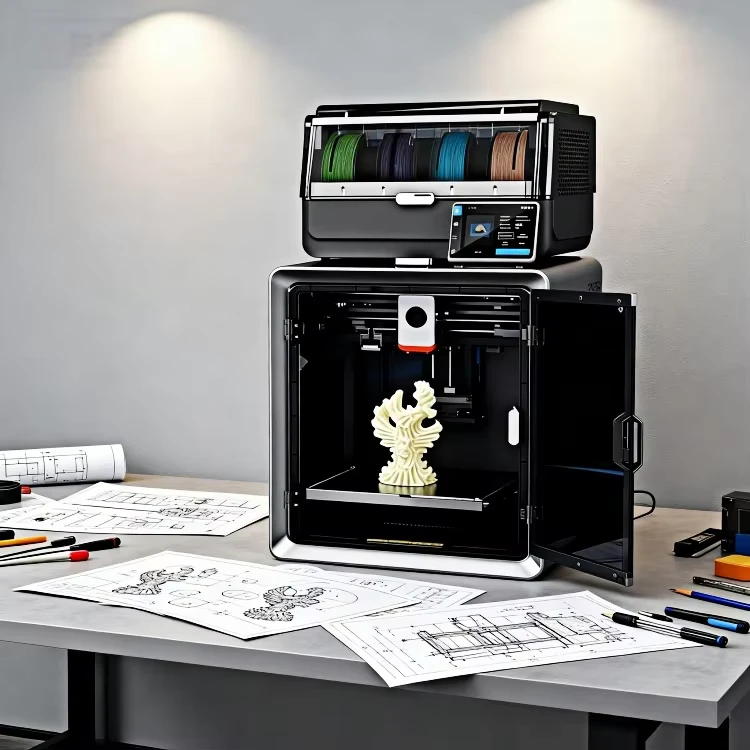
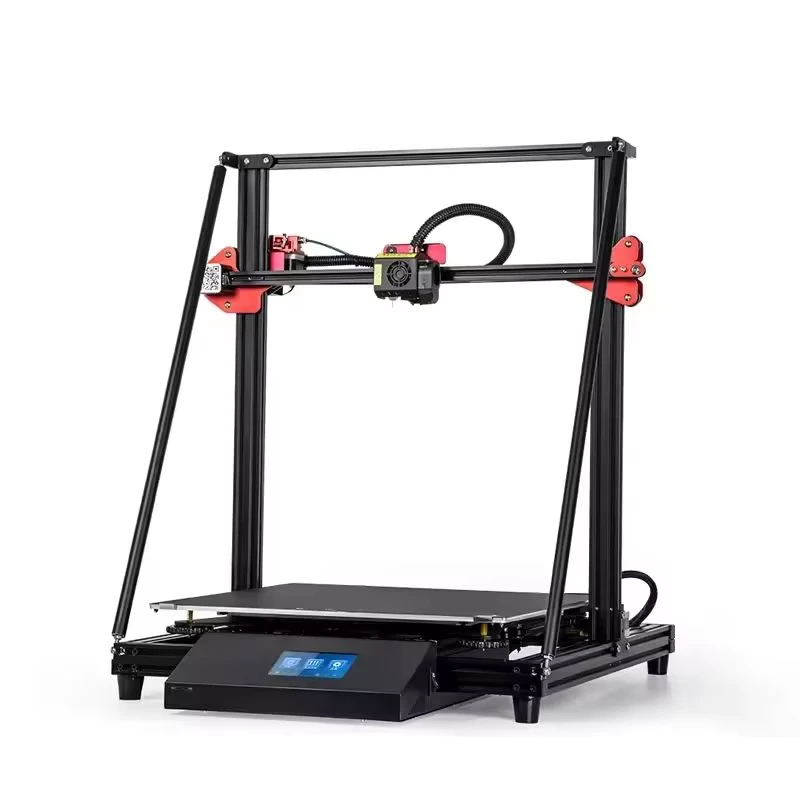
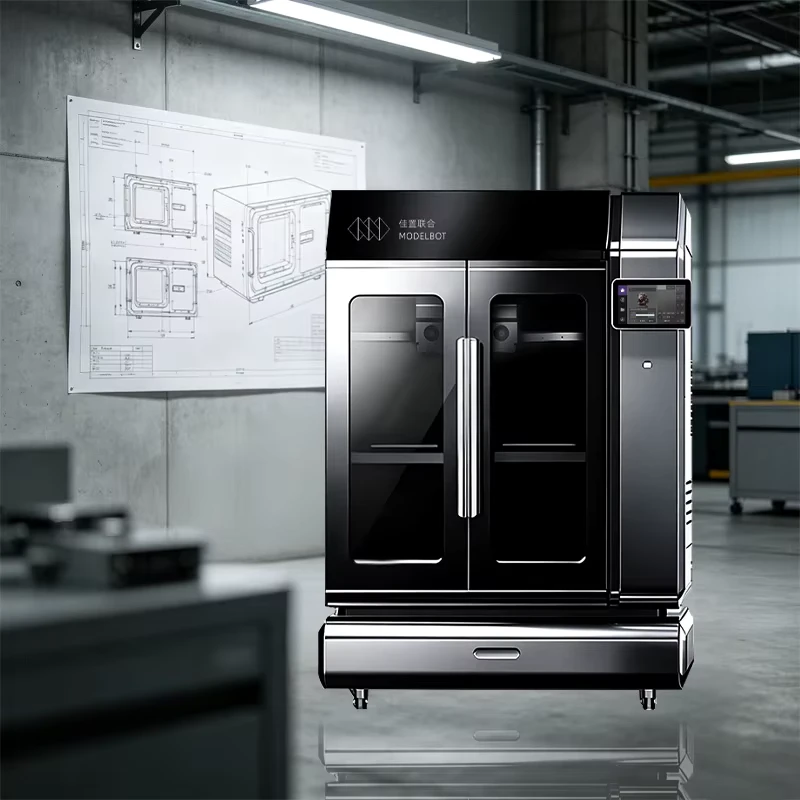
For engineering teams and prototype workshops, the industrial dual-extruder printer supports materials including PLA, ABS, PC, PETG, TPU, nylon, and carbon fiber. Its listed functions include automatic leveling, filament detection, resume printing, USB connectivity, and speeds up to 350 mm/s. These features make it relevant for plastic enclosures, functional components, and material-intensive development work.
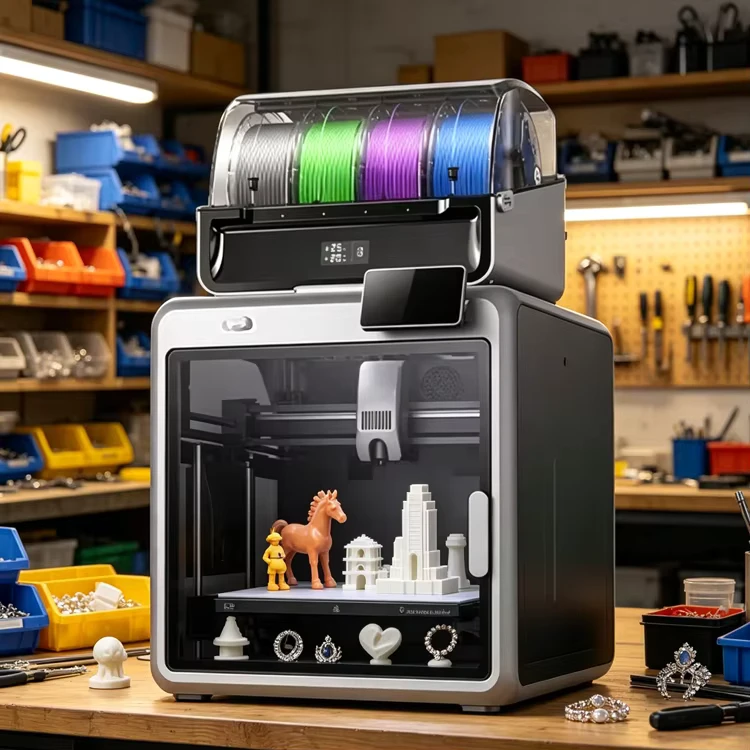
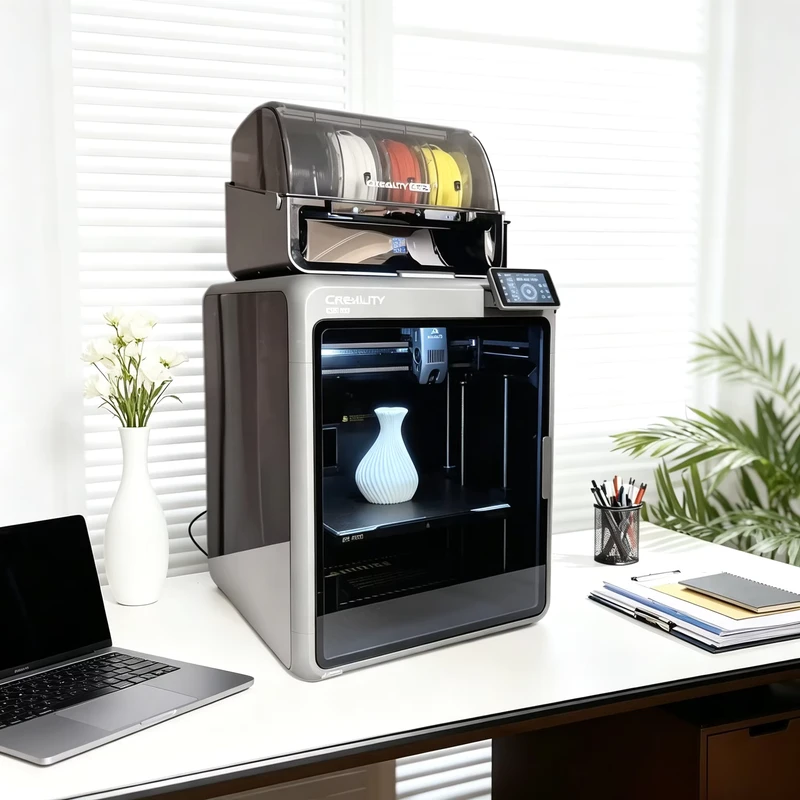
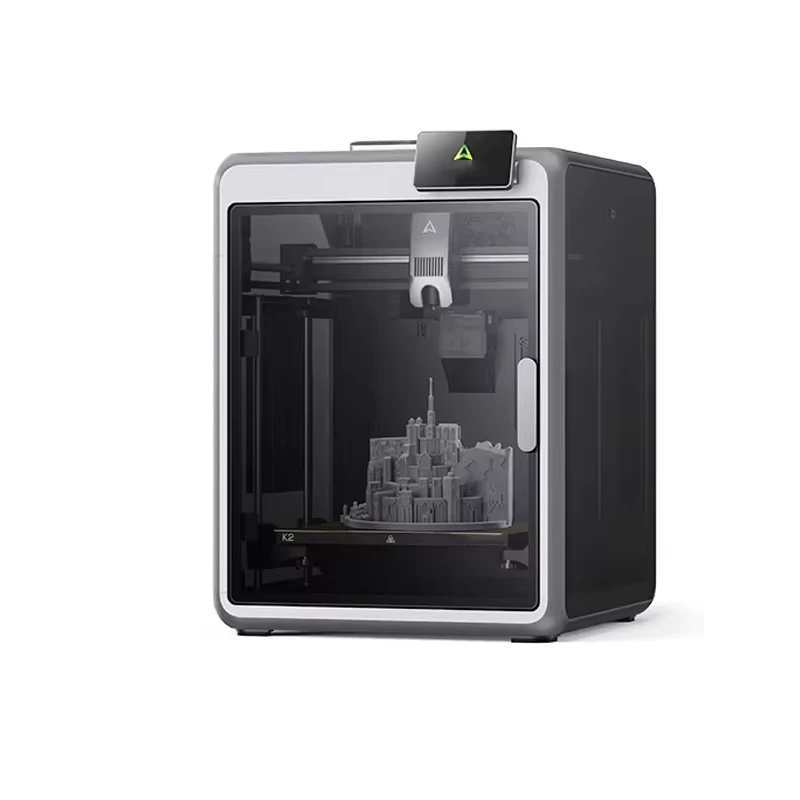
Retailers, educational suppliers, and creative equipment distributors may prioritize accessibility and faster desktop operation. The K2 Pro Combo offers USB and Wi-Fi connectivity, a PEI hot bed, automatic operation, and a stated printing speed of 600 mm/s. Compatibility with PLA, PETG, and TPU supports common projects such as toys, display models, classroom objects, and anime figures.
Specialized applications require separate qualification
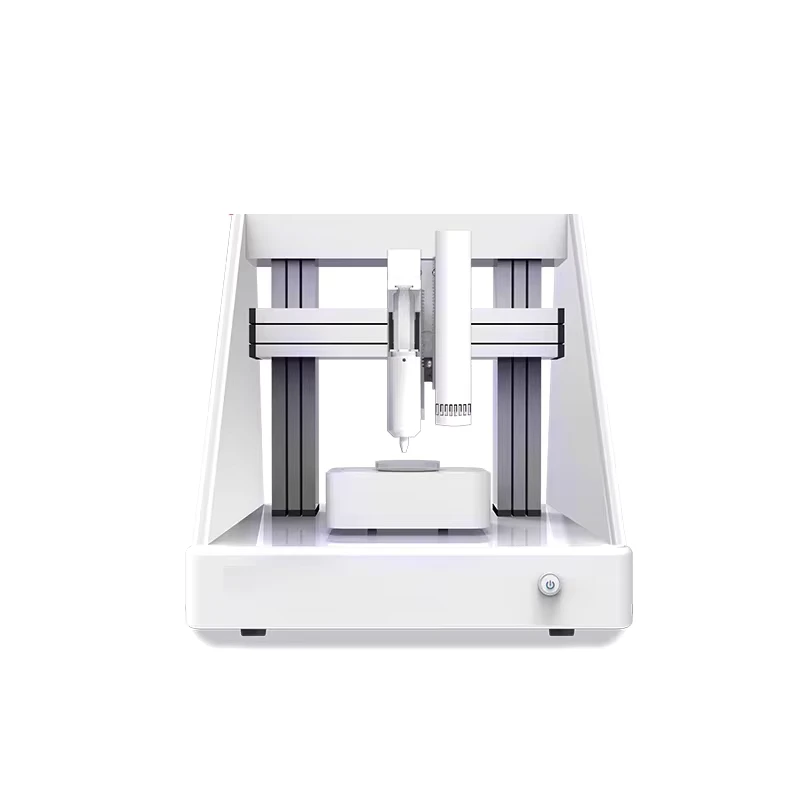
The biomedical bioprinter addresses a very different purchasing category. It is designed for biomedical model printing with materials such as Pluronic F127, nanocellulose, collagen, and alginate. The machine supports USB connectivity and Windows operation, with listed dimensions of 400 × 400 × 450 mm. Buyers should confirm nozzle configuration, material protocols, software requirements, and the intended research scope before ordering.
Procurement teams should also verify voltage, plug type, build volume, packaging, documentation, consumables, and support arrangements for their destination market. Share your application, preferred materials, order quantity, and compliance needs to discuss a suitable configuration and quotation.