Compare three automated desktop 3D printers for fast prototyping, architectural models, education, and distributor supply programs.
For professional buyers, print speed matters only when it supports a practical workflow. Material flexibility, automatic operation, connectivity, surface quality, and application fit all influence whether a printer belongs in a prototyping lab, classroom, design studio, or resale portfolio. The following three 3D model printers address different production priorities while offering automated desktop operation.
From Functional Parts to Detailed Models
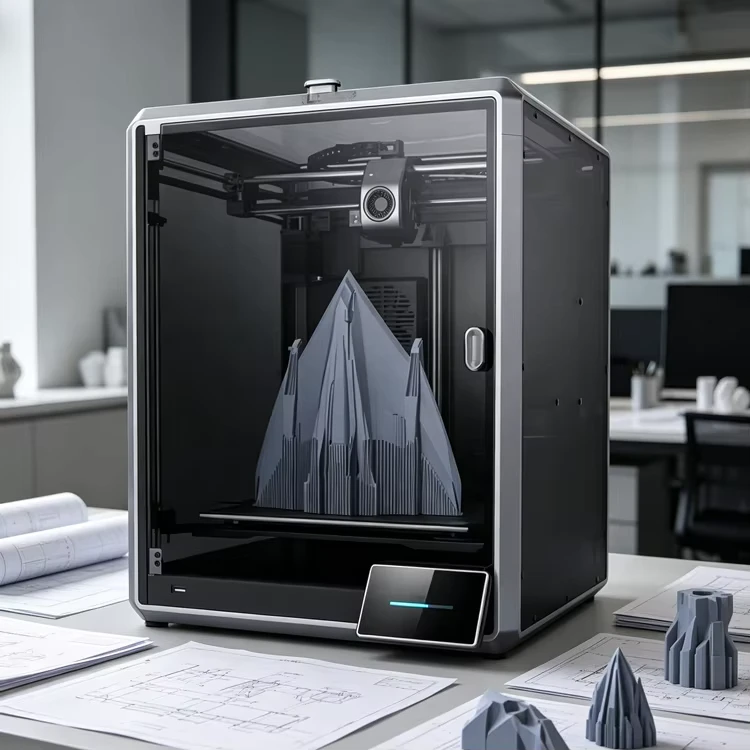
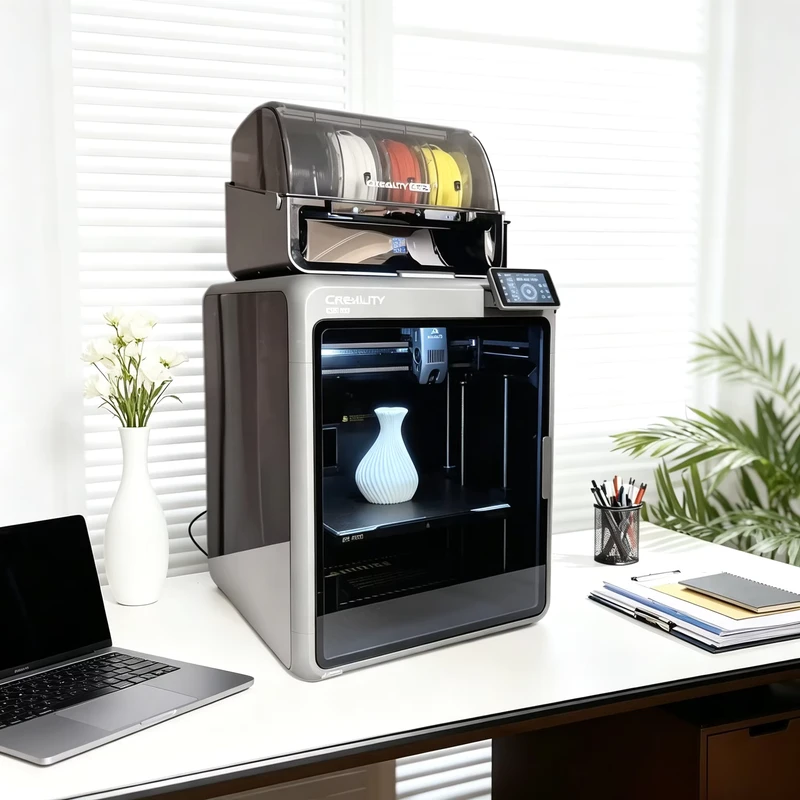
The K2pro printer is designed for fast production of plastic components, including automotive parts and functional prototypes. Its printing speed reaches up to 600 mm/s, while compatibility with PLA, PETG, and TPU supports rigid models as well as flexible components. USB and Wi-Fi connectivity help integrate the machine into modern design and production environments.
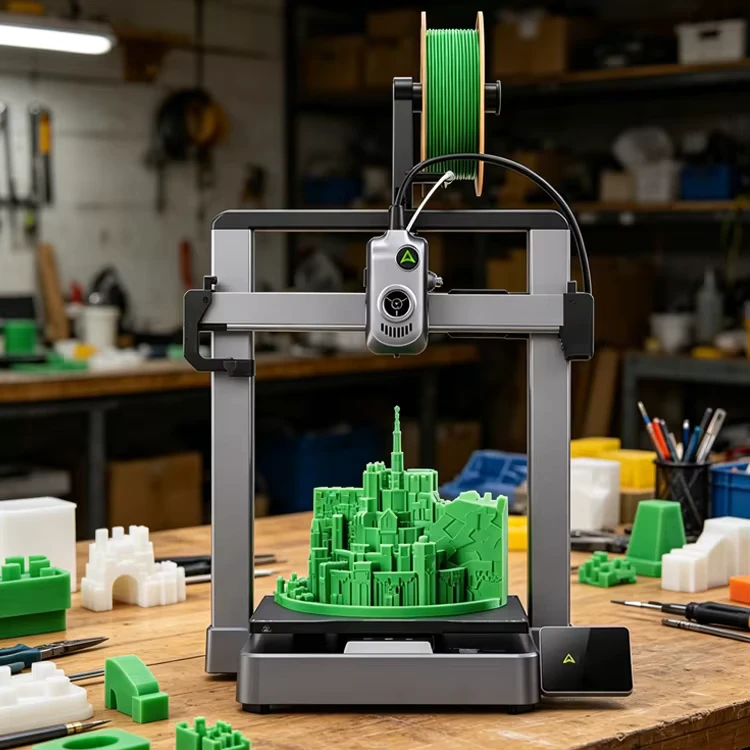
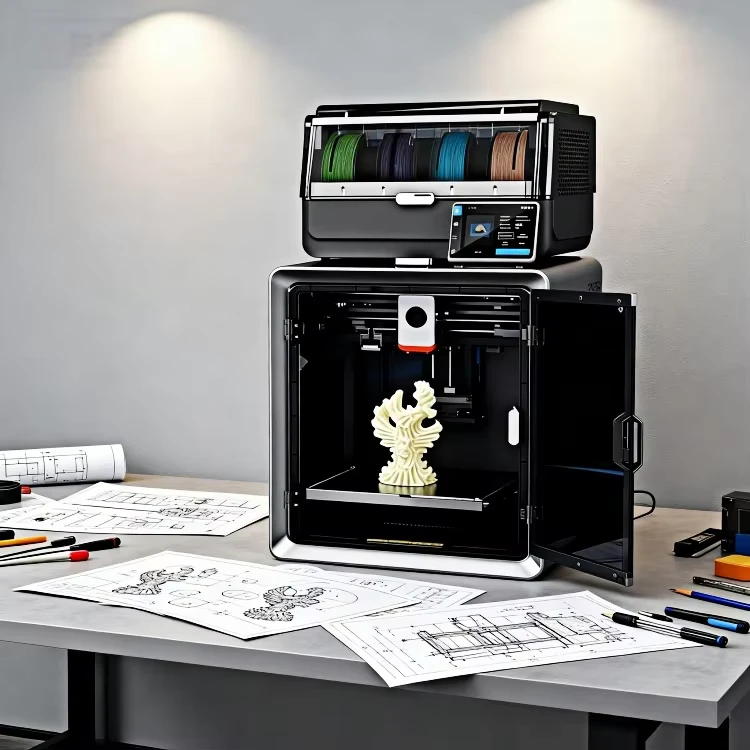
For architectural models, jewelry concepts, educational projects, and detail-focused prototypes, the Creality Hi combines FDM printing with automatic leveling and an AI camera. It offers speeds up to 300 mm/s and works with PLA, PETG, and TPU. These features can simplify setup and make ongoing print monitoring more convenient.
Scaling Up Model Production
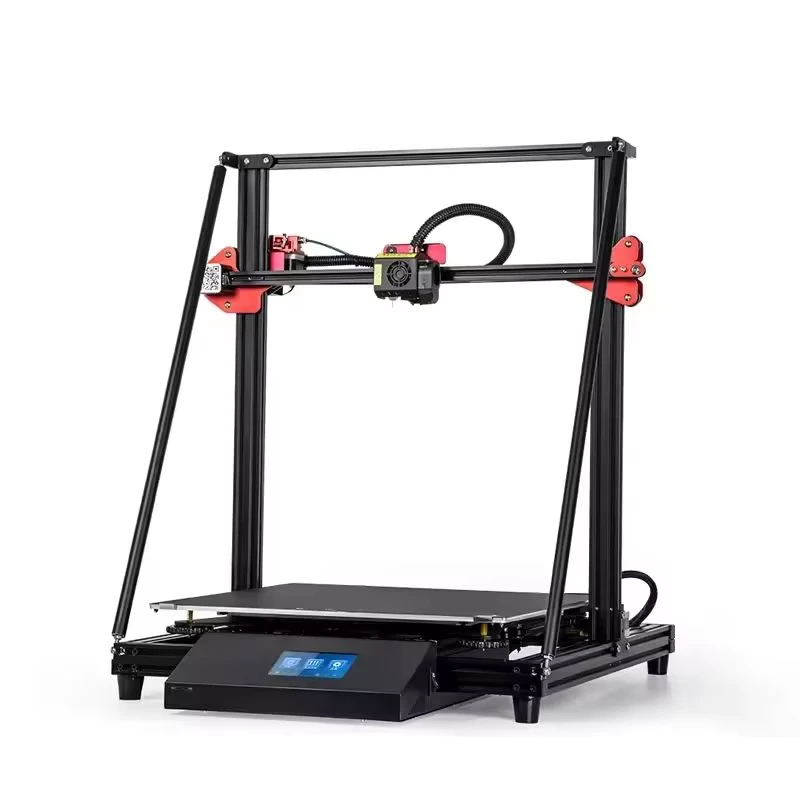
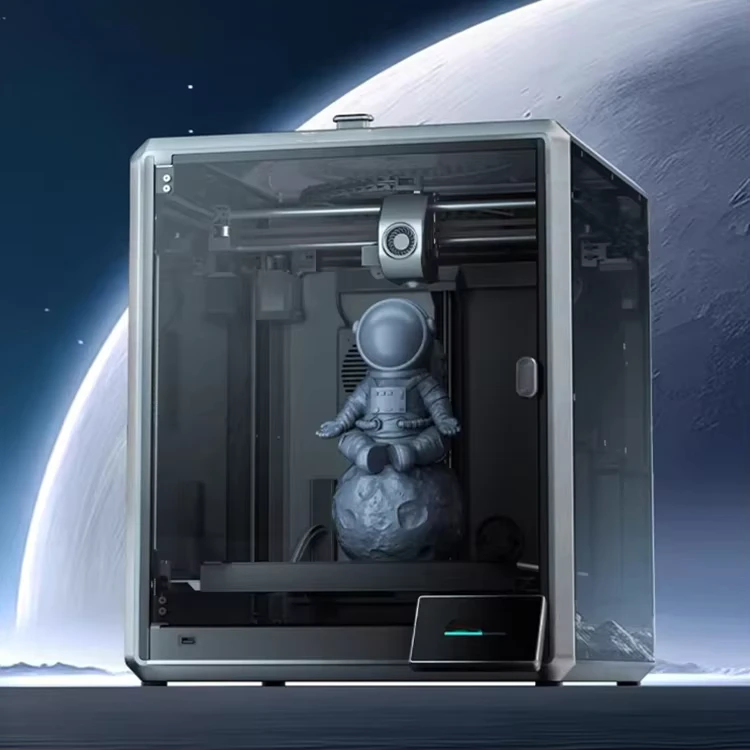
When larger models and shorter turnaround times are central purchasing requirements, the K1max system provides large-format desktop printing at speeds up to 600 mm/s. Its PEI hot-bed surface, automatic operation, and support for common filament materials make it relevant for architectural presentations, product mockups, and educational fabrication.
Importers and distributors should match printer selection with target applications, preferred materials, local plug requirements, and expected order volumes. Build-volume and filament specifications can be discussed for project-based sourcing. Contact us to compare configurations, packaging needs, and supply options for your market.